
Setting Up Your Plant Space Post-Move: Creating a Microclimate for Recovery and Growth
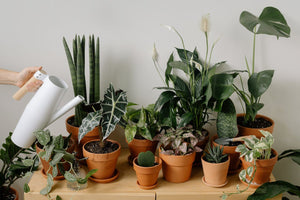

Setting Up Your Plant Space Post-Move: Creating a Microclimate for Recovery and Growth...Moving greenery into a new home can stress even the healthiest specimens. Light changes, dry air, and temperature shifts disturb their normal growth cycle. Your first goal should be rebuilding a stable plant space post-move so they can recover quickly. Sudden environmental changes often trigger yellow leaves or slow growth. A controlled microclimate helps them adapt faster and regain strength.
Understand How Moving Impacts Your Plants
Plants react quickly to environmental change. A new home alters light intensity, humidity levels, and air circulation. These shifts interrupt normal growth patterns. As a result, leaves may droop or change color.
Transport also places pressure on stems and roots. Pots may slide during travel. Soil may compress or dry out. These disruptions affect water uptake and nutrient movement. That is why preparing your plants for relocation day matters.
It’s also why it’s best to go with a moving company for delicate logistics. They can recommend stabilizing pots, protecting foliage, and limiting heavy watering before transport. These simple steps reduce soil movement and protect fragile stems during the trip.
After arrival, greenery needs time to adjust. Avoid sudden changes in watering or placement. Restore steady conditions slowly so plants regain strength.
Designing Your Plant Space Post-Move for Stability
Location affects plant recovery after relocation. Choose a spot with steady lighting and minimal disturbance. Plants prefer consistent surroundings. Importantly, keep them away from heating vents and air conditioning units. These systems produce dry air and sudden temperature changes. Such shifts weaken plant tissue.
Grouping plants improves humidity levels around leaves. Plants release moisture through transpiration. Several pots placed together create a small moisture zone. Shelving units also help organize your indoor garden. Taller greens fit on lower levels. Smaller pots sit higher for better light exposure.
Leave space between containers. Crowded leaves restrict airflow. Limited air movement increases the risk of mold or pest activity. Stable placement also simplifies care. Easy access encourages regular watering and inspection.

Evaluate Light in Your New Home
Light strongly affects plant health. Each home receives sunlight differently. So first of all, observe natural light during several parts of the day. East-facing windows provide gentle morning light. South-facing windows often deliver stronger exposure.
Second, direct afternoon sun may burn sensitive leaves. Sheer curtains help soften intense light. Indoor flora usually prefers filtered sunlight rather than harsh rays—ferns and calatheas like softer light. Succulents and cacti handle stronger exposure. Placement should match each plant’s light needs.
Last but not least, rotate pots every week. Plants grow toward light sources. Rotation promotes balanced leaf growth and upright stems. Artificial lights may help in darker rooms. Simple grow lights provide stable illumination during short winter days. Position lights close enough to support growth without overheating foliage.
Create a Balanced Humidity Zone
Humidity strongly affects tropical vegetation. Many indoor species prefer levels between forty and sixty percent. Dry air slows leaf recovery and causes brown edges. Central heating often lowers indoor humidity. During winter, moisture levels may drop sharply. Plants struggle under these conditions.
Several simple methods improve humidity. Pebble trays hold water beneath pots. As water evaporates, the surrounding air becomes slightly moist. A humidifier likewise provides steady moisture in larger rooms. That helps delicate foliage remain healthy.
Bathrooms and kitchens often hold higher humidity. These rooms may suit ferns, orchids, and calatheas. Still, light levels must remain adequate. Importantly, avoid heavy misting of leaves. Water droplets sitting on foliage can encourage fungal spots. Gentle humidity control works better for long-term care.
Control Temperature and Airflow
Temperature stability supports plant recovery after relocation. Most houseplants grow well between eighteen and twenty-six degrees Celsius. Sudden changes slow growth. Drafty windows create uneven conditions. Cold air flowing across leaves damages plant tissue. Even hardy species react poorly to constant drafts.
Heating vents create another challenge. Warm air dries soil quickly and weakens roots. Keep greenery several feet away from these sources. Gentle airflow remains useful. Stagnant air encourages fungal growth and pest activity. A small fan improves air circulation without strong wind.
However, place the fan at a distance. Direct airflow may damage delicate stems. Slow movement of air keeps conditions balanced. Night temperature also matters. Large drops at night stress many tropical species. Maintain consistent room temperature to support stable growth.

Soil, Watering, and Early Recovery Care
Plants often need careful watering after a move. Roots may already feel stress from transport. Overwatering during this stage causes further damage. Check soil moisture before adding water. Insert your finger about two centimeters into the soil. Water only if the soil feels dry at that depth.
Many plant owners want to repot immediately after moving. But bear in mind that roots require time to recover first. Wait two or three weeks before repotting unless roots show damage. Remove broken or yellow leaves. Damaged foliage drains plant energy. Pruning allows the plant to focus resources on healthy growth.
Fertilizer should remain limited during early recovery. Strong nutrients may stress weakened roots. Resume feeding after steady growth appears. Observe soil drainage as well. Proper pots must contain drainage holes. Excess water must exit quickly to prevent root rot.
Monitor and Adjust Your Setup
Observation helps plants recover after relocation. Check leaves and stems daily during the first month. Early signs reveal environmental problems. Drooping leaves often indicate a water imbalance. Yellow patches may suggest poor light conditions. Brown edges often point to low humidity.
Small adjustments solve many issues. Move vegetation closer to the light if stems stretch. Shift it away from windows if leaves burn. Your plant space post-move may require gradual improvement during the first weeks. Plants show clear signals through their leaves. Careful observation allows quick adjustments that restore balance.
Humidity meters and light apps provide helpful data. These tools guide placement and watering decisions. Simple monitoring leads to healthier growth. And this, in turn, maintains the natural feel of your home.

Setting the Foundation for Healthy Plants
Plants experience stress after relocation, yet recovery becomes easier with the right environment. Stable light, balanced humidity, and steady temperature help restore healthy growth. Careful observation allows you to detect problems early. Building a stable plant space post-move offers them the support they need after relocation. Patience and consistent care make the biggest difference. And over time, your greens adapt and regain strong growth.
- Home Staging Warehouse